Neighborhood
Magenta and Sant'Ambrogio
Where the city's patron saint rests and Leonardo painted the Last Supper
This is the Milan that speaks in a low voice. And yet within a few blocks it holds together three decisive moments of its history.
The first is Roman. When Milan was capital of the Empire, the walls ran through here: a tower from that circuit survives in the grounds of the Monastero Maggiore, the great convent, next to another that belonged to the circus.
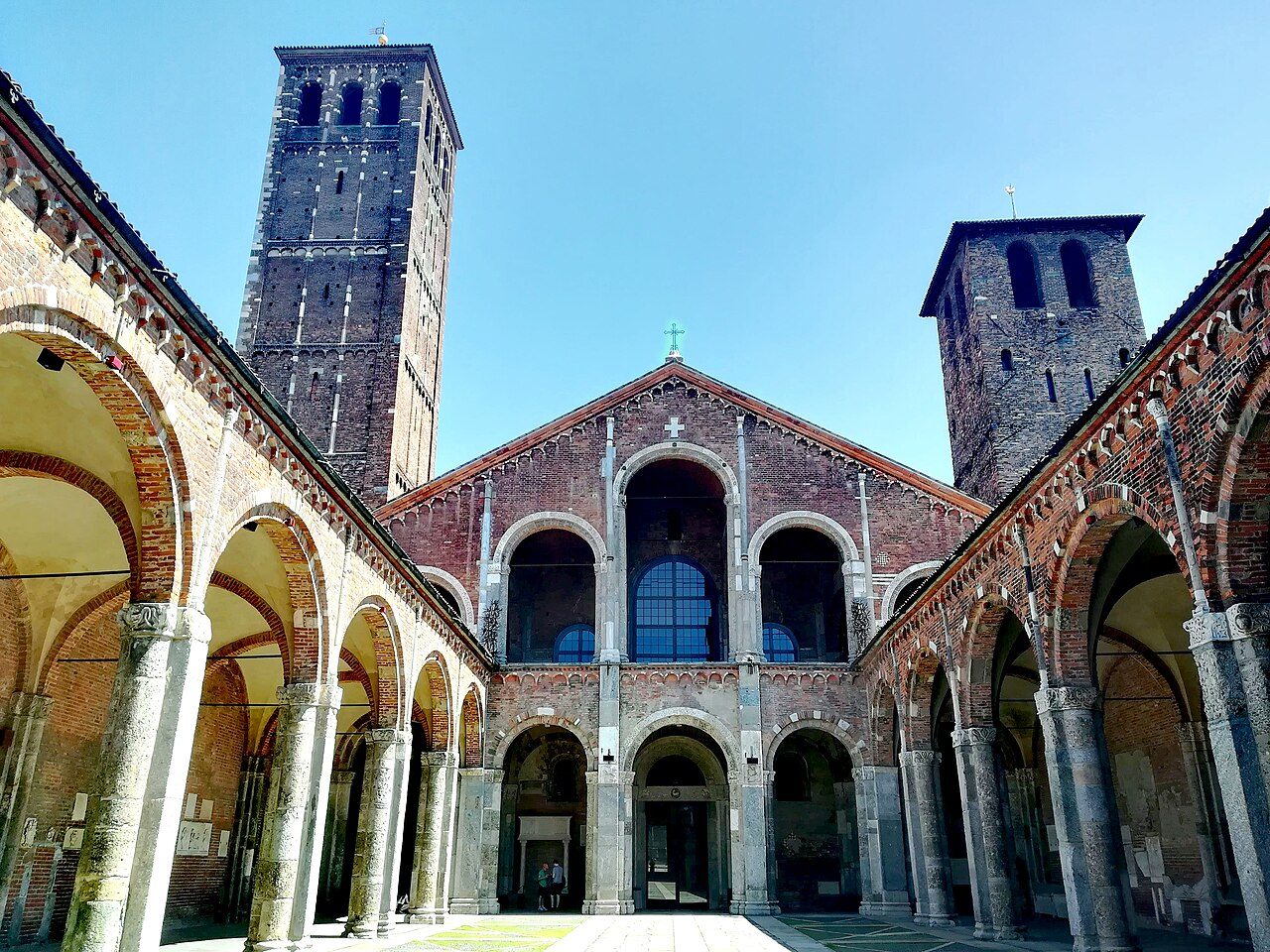
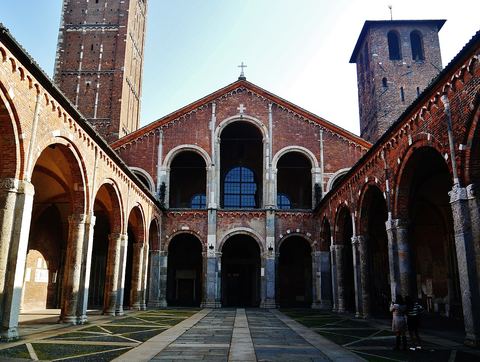
A little farther on, outside the walls, was a cemetery where Christians buried their martyrs. There, between 379 and 386, the bishop Ambrose had a basilica built, and there he was buried. The church you see today is a Romanesque rebuilding from the end of the eleventh century, but the patron saint is still in the crypt.
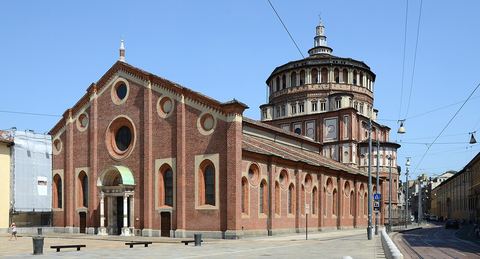
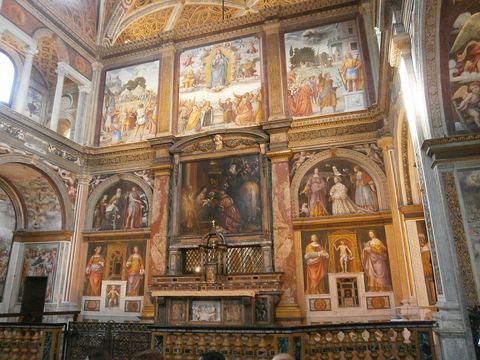
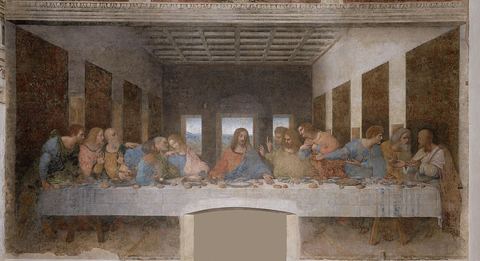
The second is the Renaissance. At the end of the fifteenth century Ludovico il Moro, duke of Milan, wanted to make Santa Maria delle Grazie his family's mausoleum. He had the new tribune built, the domed east end that tradition attributes to Bramante, and commissioned Leonardo da Vinci to paint the Last Supper for the friars' refectory. A few years later the Benedictine nuns of the Monastero Maggiore began the church of San Maurizio, which they would have frescoed from top to bottom.
The third is a single night, that of August 15, 1943. The bombs brought down the refectory of the Grazie. The wall with the Last Supper stayed standing.
If you have only half a day in Milan, come here after the Duomo.
What to see here
Church
1 Santa Maria delle Grazie
The church everyone brushes past on the way to the Last Supper
Church
2 Basilica di Sant'Ambrogio
The patron saint's church, where Milan keeps its oldest memories
Church
3 San Maurizio al Monastero Maggiore
A gray facade outside, the most painted church in Milan inside
Museum
4 Cenacolo Vinciano
A dining hall wall, an experiment gone wrong, and the most famous painting in Milan
Museum
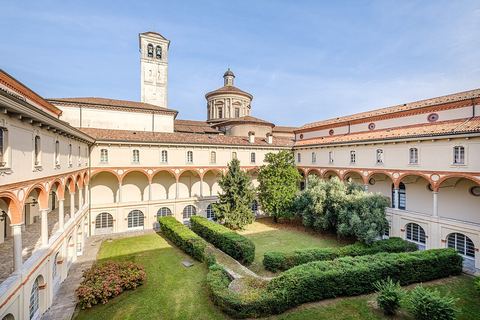
5 Museo Nazionale della Scienza e della Tecnologia
A submarine, a sailing ship, and Leonardo's machines inside a monastery