Stop 4 of 6
Electrophorus, condenser and electric soirées
Where to stand
On the ground floor, in front of the display cases on electricity, the ones that follow the gases
Before the battery, Volta is already the master of static electricity: he invents the , names the condenser and teaches the to measure. Around him, in the eighteenth century, electricity is a parlor game too.
Spot the detail
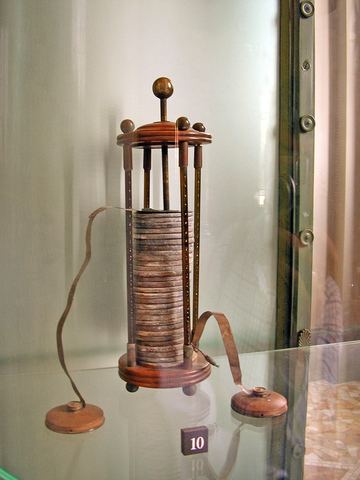
Find the electrophorus: a metal dish and a disk with a handle. What is it for?
The full story
Here you realize something: the Volta everyone knows, the one with the battery, comes late. Before that there is a quarter of a century spent building instruments that turn electricity into something you can store, compare and measure.
The instruments before the battery
Start with the , from 1775. It is the first invention of Alessandro Volta, the Como physicist the museum is dedicated to, and after the battery it is the one that most intrigued the scientists of Europe.
There is not much to it: a metal dish with a layer of resin, which is electrified by rubbing, and a disk with an insulating handle. Set the disk down, lift it, and you carry the charge away. Then start again, as many times as you like: hence the name perpetual .
There were even pocket versions. It earned Volta, who was thirty, the chair of experimental physics at the school in Como.
Then look for the condenser: two conducting disks, one of them covered with an insulating layer of sealing wax. Similar devices were already going around, but it was Volta who explained how they worked and gave them the name we still use. To condense, for him, meant to accumulate charge.
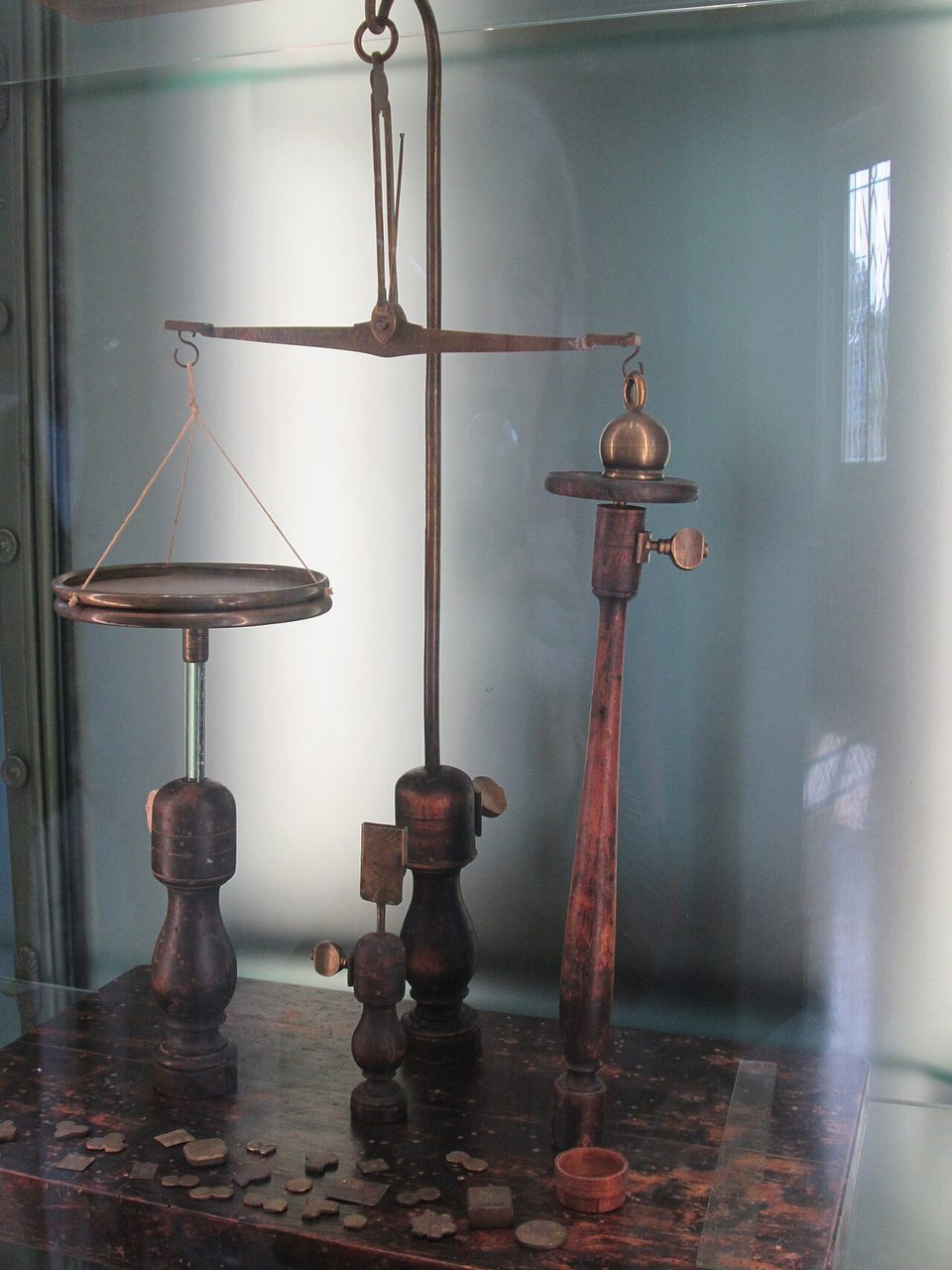
The decisive step comes right after. The is the instrument that reveals whether a body is electrified: two thin leaves, or two straws, that move apart when the charge arrives. Volta adds a graduated scale, and the device that used to merely indicate now measures.
Connected to the condenser, it can detect very weak voltages. According to the museum, this is where the study of electricity starts to become a science.
Electricity in the drawing room
Now a little social history. In the eighteenth century electricity was in fashion, and not only among scholars. In the drawing rooms of high society people held electric soirées: ladies and gentlemen tried attractions, repulsions, shocks and sparks on their own bodies, purely for fun. As you look at these devices, try to picture them in a candlelit room, with the guests in a circle and someone shrieking at a spark.
Among the curiosities there is also a hail rod. Volta thought hail was produced by the electrical phenomena of thunderstorms, and he imagined devices like lightning rods to keep it away. It was a hypothesis, but it says a lot about how far electricity, for him, could explain the world.
Next stop
Carry on to the last display cases on the ground floor, the ones on the battery